Published
Dec 17, 2026
Author
Erik Spanne
Blog Title #5
Blog Title #5
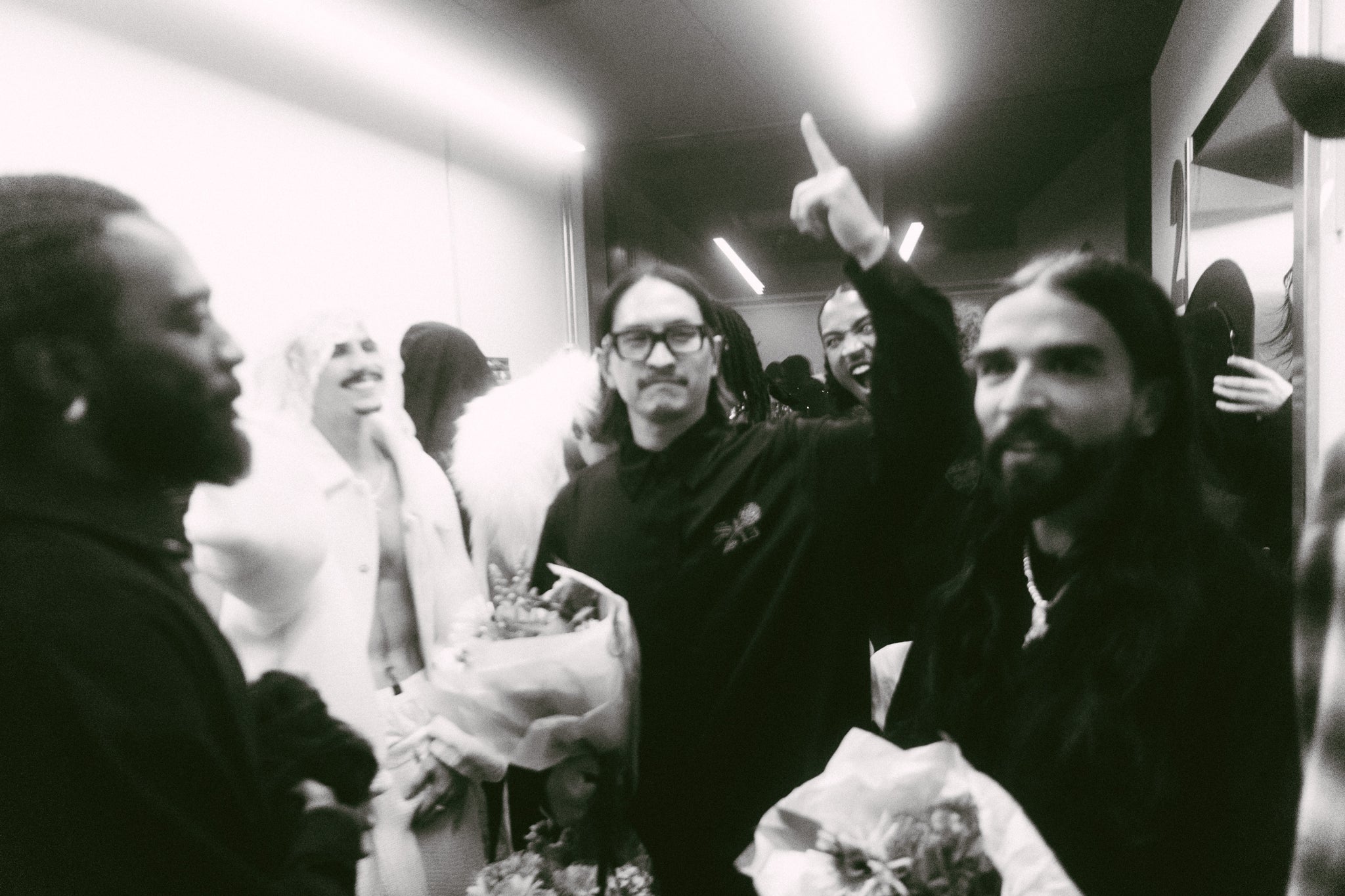
It started about ten years ago when Tomás Silva and Duy Ngo came together to create something of their own. For many years, they have been both friends and professional collaborators, spending significant time discussing aesthetics and storytelling. Later, Erik Spanne joined the team, and that was when everything started to take shape. After years of working in the industry for other brands and contributing to their success by telling their stories, they felt a strong desire to create something personal. This became the foundation of 1313 SELAH. The three founders behind 1313 SELAH represent the brand’s vision and identity. 1313 SELAH is a brand that tells who we are and where we come from, Tomás Silva explains. The brand is deeply personal.
All garments, collections, and references are drawn from their own life experiences. Growing up in Norway with immigrant backgrounds, the music they listened to on the way to school, how their favorite artists dressed in music videos, youth rebellion, and cultural identity all influence the brand’s aesthetic. Inspired by multicultural and musical influences that shaped their upbringing, they honor these experiences through the clothes they create.
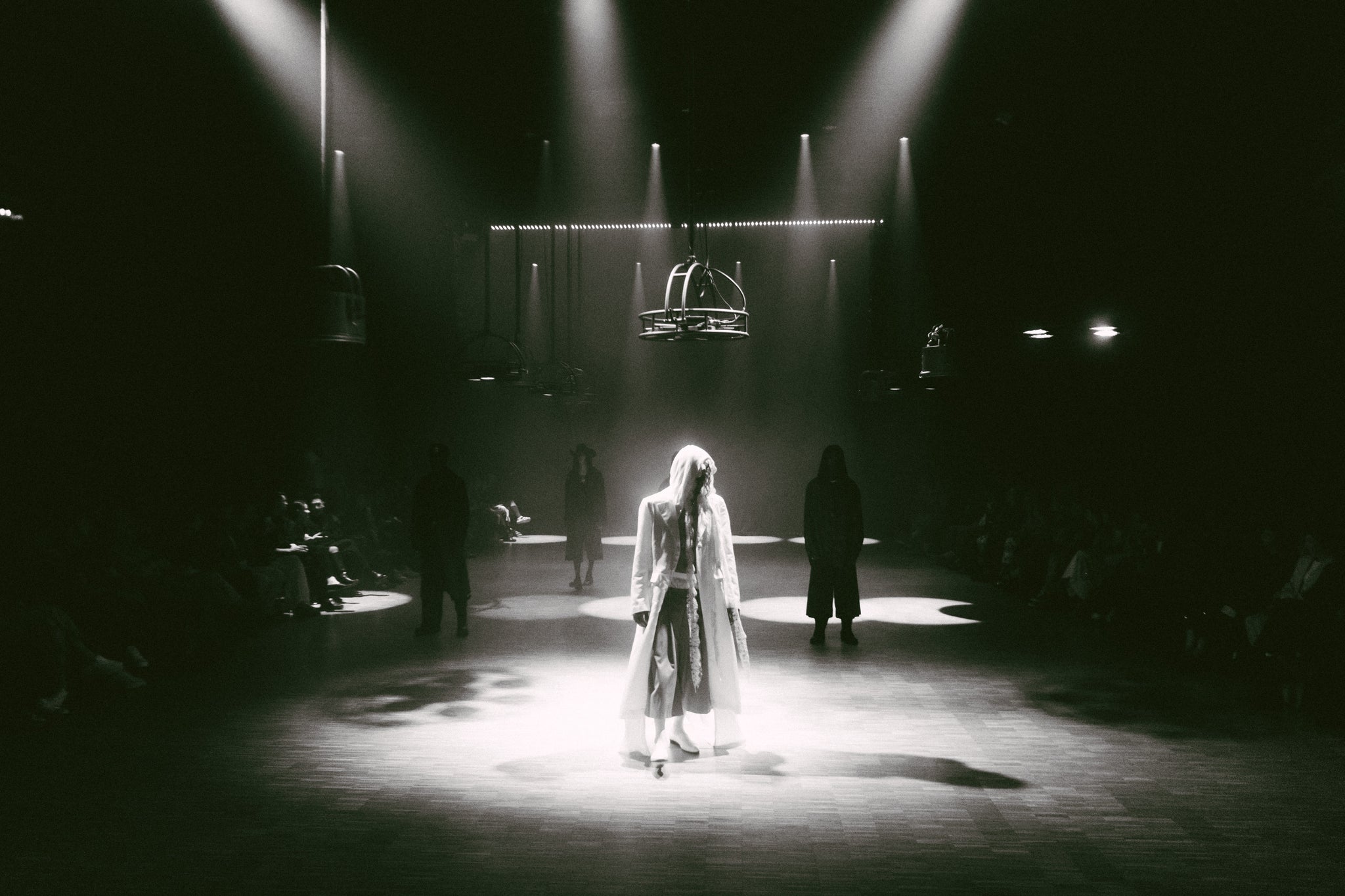
Our aesthetic combines exaggerated silhouettes intertwined with Latin street culture and classic tailoring, Silva explains. Sustainability is a core principle of the brand’s structure rather than a marketing strategy. The brand works with deadstock materials and collaborates only with suppliers who maintain high ethical standards in working conditions.
For 1313 SELAH, religious symbolism also carries cultural and historical meaning, representing identity, heritage, and personal storytelling. Commercial success in the Norwegian fashion market is challenging, but the founders believe there is a gap for their type of brand in Scandinavia. While the Norwegian market is important, the brand aims to focus primarily on international expansion. The brand aims to build a creative voice that does not use culture as a commercial marketing tool. The designers ultimately create clothing for themselves and for people who share their worldview and aesthetic sensibility. The target audience is fearless and rebellious, possessing authentic style and a strong appreciation for quality.
It started about ten years ago when Tomás Silva and Duy Ngo came together to create something of their own. For many years, they have been both friends and professional collaborators, spending significant time discussing aesthetics and storytelling. Later, Erik Spanne joined the team, and that was when everything started to take shape. After years of working in the industry for other brands and contributing to their success by telling their stories, they felt a strong desire to create something personal. This became the foundation of 1313 SELAH. The three founders behind 1313 SELAH represent the brand’s vision and identity. 1313 SELAH is a brand that tells who we are and where we come from, Tomás Silva explains. The brand is deeply personal.
All garments, collections, and references are drawn from their own life experiences. Growing up in Norway with immigrant backgrounds, the music they listened to on the way to school, how their favorite artists dressed in music videos, youth rebellion, and cultural identity all influence the brand’s aesthetic. Inspired by multicultural and musical influences that shaped their upbringing, they honor these experiences through the clothes they create.
Our aesthetic combines exaggerated silhouettes intertwined with Latin street culture and classic tailoring, Silva explains. Sustainability is a core principle of the brand’s structure rather than a marketing strategy. The brand works with deadstock materials and collaborates only with suppliers who maintain high ethical standards in working conditions.
For 1313 SELAH, religious symbolism also carries cultural and historical meaning, representing identity, heritage, and personal storytelling. Commercial success in the Norwegian fashion market is challenging, but the founders believe there is a gap for their type of brand in Scandinavia. While the Norwegian market is important, the brand aims to focus primarily on international expansion. The brand aims to build a creative voice that does not use culture as a commercial marketing tool. The designers ultimately create clothing for themselves and for people who share their worldview and aesthetic sensibility. The target audience is fearless and rebellious, possessing authentic style and a strong appreciation for quality.